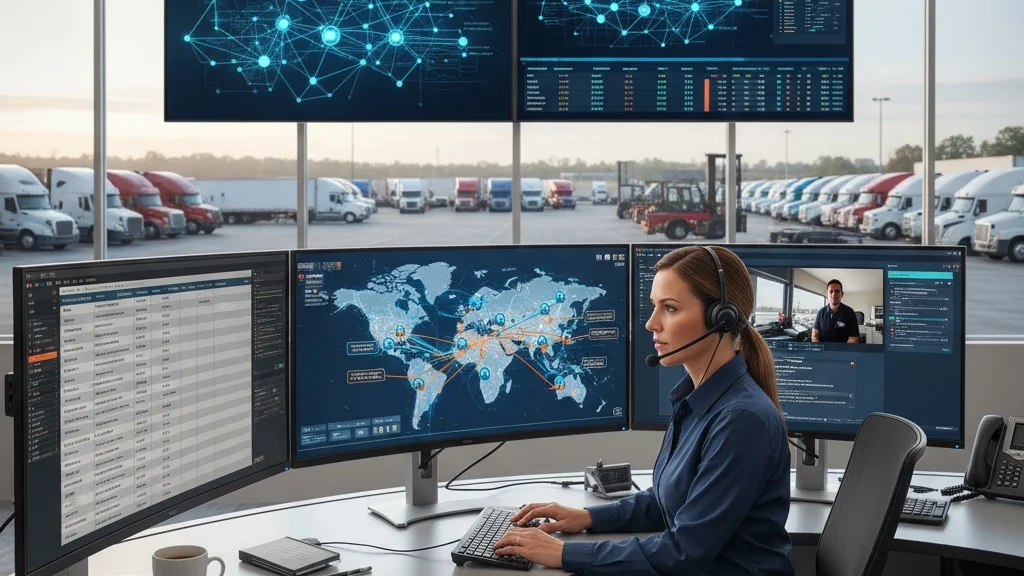
The Role of a Truck Dispatcher
01/16/2024 - Updated
Understanding the Dispatcher's Role
A truck dispatcher is the operational hub of any trucking company, serving as the critical link between drivers, customers, and company management. This role requires a unique blend of organizational skills, communication abilities, and industry knowledge.
Daily Responsibilities
#### Morning Tasks
- Review overnight updates and driver locations
- Check for any delays or issues from previous day
- Plan routes for new shipments
- Communicate daily schedules to drivers
- Monitor driver progress via GPS and communication
- Handle customer inquiries and updates
- Resolve unexpected issues (traffic, breakdowns, weather)
- Coordinate with shippers and receivers
- Update load boards and find backhaul opportunities
- Verify all deliveries completed successfully
- Update records and documentation
- Plan next day's schedules
- Review driver hours of service (HOS)
Essential Skills
Communication
- Clear, concise communication with drivers
- Professional interaction with customers
- Effective negotiation with brokers
- Team coordination with other dispatchers
- Managing multiple loads simultaneously
- Prioritizing urgent vs. routine tasks
- Maintaining accurate records
- Tracking deadlines and appointments
- Quick decision-making under pressure
- Finding alternative routes during emergencies
- Resolving driver concerns
- Managing customer expectations
- Understanding DOT regulations
- Proficiency with dispatch software
- Knowledge of geography and routes
- Familiarity with load boards
Relationship Management
#### With Drivers
- Build trust through consistent communication
- Show appreciation for their hard work
- Address concerns promptly
- Provide clear, accurate information
- Maintain professional relationships
- Provide timely updates
- Handle complaints gracefully
- Deliver on promises
- Negotiate favorable rates
- Build long-term partnerships
- Maintain good standing
- Understand market rates
Performance Metrics
Successful dispatchers are measured by:
- On-time delivery rate: Percentage of loads delivered on schedule
- Driver utilization: Minimizing empty miles and downtime
- Revenue per truck: Maximizing profitability
- Customer satisfaction: Positive feedback and repeat business
- Safety record: Maintaining compliance and accident-free operations
Career Growth and Advancement
The dispatcher role is often a progression from other positions in the company. Here's the typical career path:
#### 2. Dispatcher (Load Coordination)
After gaining experience in sales or entry-level roles, a team member may be promoted to the dispatch position. This role requires deeper industry knowledge and more responsibility, including:
Core Responsibilities:
- Searching for and securing loads for the carriers - Using load boards, broker networks, and direct shipper relationships to find profitable freight
- Negotiating the best possible rates with brokers - Leveraging market knowledge and relationships to maximize revenue per mile
- Managing communications between brokers, drivers, and shippers - Serving as the central point of contact for all parties involved
- Tracking and updating freight status - Monitoring shipments in real-time and providing proactive updates to customers
- Ensuring timely pickups and deliveries - Coordinating schedules and addressing any delays or issues immediately
- Strong negotiation abilities
- Excellent communication skills
- Industry knowledge and market awareness
- Problem-solving under pressure
- Multi-tasking and organization
- Senior Dispatcher positions
- Load Planning Specialist
- Dispatch Manager roles
- Operations Manager
- Director of Logistics
- Starting your own dispatching business
Tools of the Trade
Modern dispatchers rely on:
- Transportation Management Systems (TMS)
- GPS tracking software
- Load board platforms
- Communication apps
- Route optimization tools
- Electronic logging devices (ELD) systems
Conclusion
The role of a truck dispatcher is challenging but rewarding. It requires dedication, multitasking abilities, and a genuine interest in logistics. Success comes from balancing the needs of drivers, customers, and company profitability while maintaining safety and compliance.
Key Takeaway: A great dispatcher doesn't just move trucks—they build relationships, solve problems, and drive business success.
About The Carrier Info Team
Expert team at The Carrier Info, dedicated to providing comprehensive insights and best practices for the trucking and logistics industry.